How to create your own wedding perfume using flowers
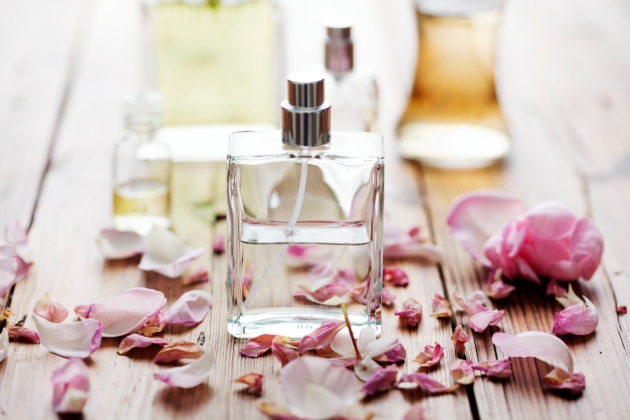
Choosing the perfect wedding gift is difficult at the best of times; you want something truly personal and thoughtful. A lovely personalised wedding gift would be to make your own natural and organic perfume using the bride's (or groom's) favourite flowers and wildflowers - all from the comfort of your own home! A simple spritz of perfume is the finishing touch to the wedding morning getting ready routine, a great scent is not only a confidence-booster to start the day, but it will be a fragrance that evokes the memories of such a special event for years to come...
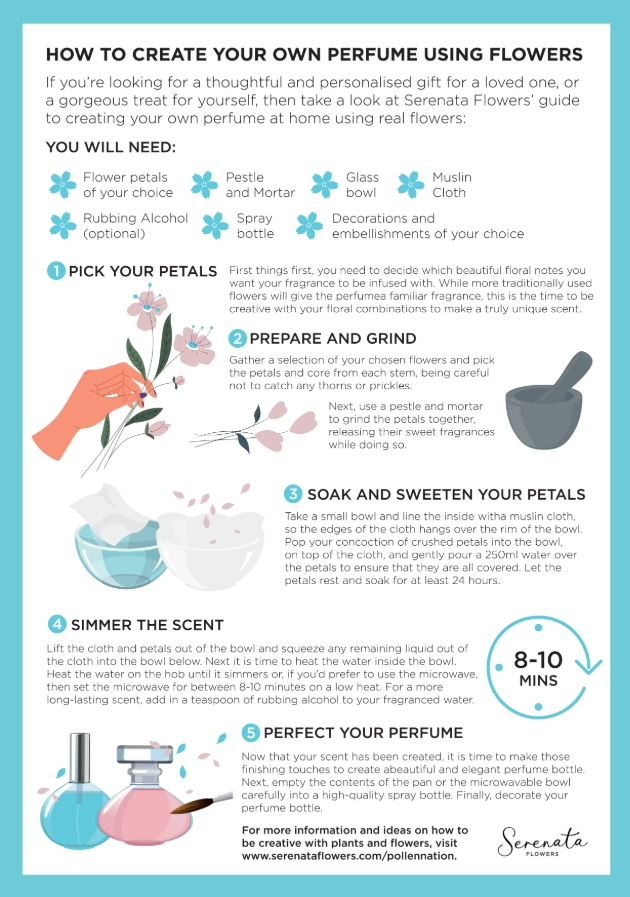
You will need: - Flower petals of your choice - Pestle and Mortar - Glass bowl - Muslin cloth - Rubbing Alcohol (optional) - Spray bottle - Decorations and embellishments of your choice
Pick your petals A good starting point for any flower-based perfume is to opt for high street favourites such as roses, lavender, and honeysuckle.While more traditionally used flowers will give the perfume a familiar fragrance, a home-made perfume can be much more personal than those bought in shops, so you may like to take some time to gather the favourite flowers of the individual you are creating this perfume for. For inspiration, head to Serenata Flowers and then have the stems delivered straight to your door the next day - this is the time to be creative with your floral combinations to make a truly unique scent.
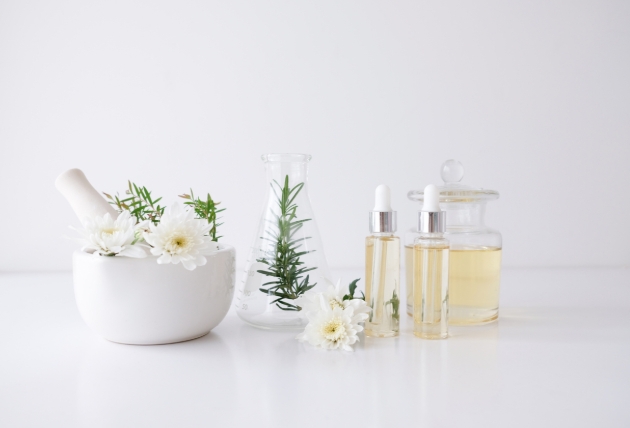
Prepare and grind Once you have decided which flowers you want to capture the scent of, it's time to start preparing your perfume's ingredients. Gather a selection of your chosen flowers and pick the petals and core from each stem, being careful not to catch any thorns or prickles. If wildflowers will be incorporated into your scent, then make sure to gently wash away any mud or dirt from the petals and be sure to check the rules on which wildflowers you can legally pick.Next, use a pestle and mortar to grind the petals together, releasing their sweet fragrances while doing so.
Soak and sweeten your petals After picking and prepping your petals, the next step of creating your perfume is to allow the flowers to soak so that you can capture their scents. Take a small bowl and line the inside with a muslin cheesecloth, so the edges of the cloths hangs over the rim of the bowl. Pop your concoction of crushed petals into the bowl, on top of the cloth, and gently pour a 250ml water over the petals to ensure that they are all covered. To ensure a potent fragrance, place a lid or cover on top of the bowl and let the petals rest and soak for at least 24 hours.
Simmer the scent Once the petals have been in soak, using the edges of the cloth, lift the cloth and petals out of the bowl and squeeze any remaining liquid out of the cloth into the bowl below. Then place the petals in the cloth to one side – you'll want to keep those for later! Next it's time to heat the water inside the bowl and, for this step, you can choose which method suits you. Heat the water on the hob until it simmers or, if you'd prefer to use the microwave, then set the microwave for between 8-10 minutes on a low heat. After allowing to simmer and rest, you'll be left with a sweet fragranced water which is a perfect blend of your chosen floral notes - add in a teaspoon of rubbing alcohol for a stronger scent.
Perfect your perfume Now that your scent has been created, it is time to make those finishing touches to create a beautiful and elegant perfume bottle. For a charmingly rustic appearance, take the left-over crushed flower petals from step 4 and pop a few into your liquid. Next, empty the contents of the pan or the microwavable bowl carefully into a high-quality spray bottle. While a range of spray bottles can be purchased online or in beauty-supply shops, opting for a glass bottle will add sophistication to your home-made creation. Finally, decorate your perfume bottle. Whether you prefer to keep it simple with a touch of ribbon or want to create a more avantgarde appearance by gluing the left-over petals to the bottle, accessorise the bottle with its receiver in mind and take time to perfect your perfume.
New app launches to simplify one of marriage’s biggest admin headaches
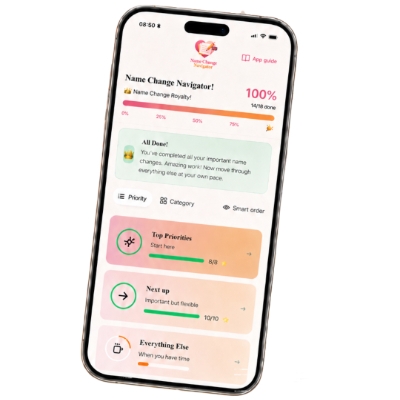
Changing your name after marriage can mean updating details with countless organisations, from banks and subscriptions to official documents and employers. New app Name Change Navigator aims to make the process easier, guiding newlyweds through each step from one platform. Founded by Rebecca Dainton, Head of Product at Flutter UK & Ireland, the app was created to reduce the stress and mental load associated with name changes. It supports a range of naming journeys, including traditional surname changes, double-barrelling, blended surnames and other choices following marriage, civil partnership, divorce or personal identity changes. The launch comes as younger generations increasingly rethink traditional naming conventions, with technology offering a more streamlined approach to this often-overlooked part of newlywed life.
READ ARTICLE
Flawsome! reveals 81% of Brits say weddings don't need to be perfect to be memorable
Growing frustration with wedding perfection culture is reshaping how couples plan their big day, with sustainability, guest experience and authenticity becoming increasingly important, according to new research from Flawsome!. A national study of 2,000 UK adults found that 81% believe a wedding does not need to be perfect to be memorable, while 71% say social media has increased pressure on couples to create a "perfect" day. Sustainability is also becoming a key consideration, with 52% saying it is important when planning a wedding. Yet wedding waste remains widespread, with 41% of respondents having seen food and drink thrown away at weddings, while 32% recalled single-use decorations being discarded and more than a quarter had seen flowers go to waste.
READ ARTICLE
Something borrowed, something blue’ is out – but 1 in 4 Brits still value wedding cards
New research from Moonpig reveals the top wedding card writing confessions. A whopping 30% of Brits admit to defaulting to a safe "congratulations!" because they simply can't think of anything else to say. This is followed by recycling the same message for different couples (11%) and signing a card without knowing what your partner has written (8%). What's more, when stuck for words, one in 10 (8%) admit to turning to AI for inspiration - this rises to one in seven (14%) among 25–34-year-olds. Brits are not alone in facing this wedding card conundrum. More than half of Brits (55%) admit they have struggled with at least one aspect of wedding message writing. Nearly one in four find wedding cards (23%) or guest-book messages (24%) difficult, while one in five (20%) hit writer's block when preparing the all-important wedding speech.
READ ARTICLE
The YouGov Big Survey on Weddings
The journey that begins with "will you marry me" and ends with "I do" transforms a couple's lives in multiple ways, but it also involves a huge number of decisions, as planning a wedding is no mean feat. Every guest will have an opinion on what a wedding should be like: from what's classy and tacky, to which traditions should be followed and which can be discarded. To help prospective couples get a grip on what these potential guests hope to see in a wedding, YouGov's new Big Survey on Weddings examines all these key debates about what should and shouldn't feature on the big day, including looking at the decisions that brides and grooms would make themselves. The study is part a Big Surveys project: a series of in-depth surveys on British society. It was conducted between 7-9 August 2026, with a sample of 1,784 adults in the UK aged 18 and above.