Here at County Wedding Magazines HQ, as we waited with bated breath to hear what Boris Johnson had to say in his announcement, our biggest concern was that he wouldn't address the wedding and events sector at all in his initial proposals for the coming months.
One big exhale later, and we were delighted that we had SOMETHING we can start shouting about and we're certainly here to be the ones to do it!
At a glance:
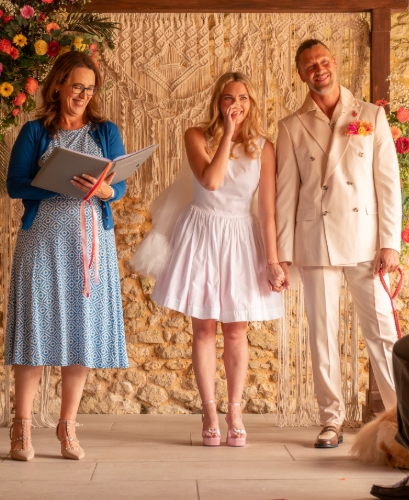
From March 8th weddings of 6.
From April 12th weddings and receptions of 15, (event pilots).
From May 17th weddings and receptions of 30, (indoor events - fingers crossed for Wedding Shows).
From June 21st weddings, receptions and events of any size.
Yes, this may seem a slow and steady easing of restrictions (and dependent on 'data'), and for those of you that had big-day dreams for spring may need to look to the summer months. But, this is at last something the wedding industry can finally work with!
Micro-weddings are here to stay, this was a trend that was starting long before we'd even heard of Covid-19, and they have been our little pockets of wedding bliss over the last few months/year. Although the same can't be said for every business or wedding, some have had to sadly close their doors and couples had to postpone their days continuously, we've been humbled by the stories where couples and businesses have managed to overcome and adapted in recent times to still tie the knot, and show everyone how powerful the wedding industry is.
What we have now is something we can all work towards, bring back festival-style weddings, start planning grand and lavish affairs, hello black tie events and cocktail hours!
Whatever the size, whatever the theme, our wonderful world of weddings finally has a yellow brick road to follow!
Step One Part One: March 8 From March 8, all pupils and students will return to schools and colleges across England. So-called wrap-around childcare will also be allowed to resume, paving the way for after and before school clubs to reopen. People will be allowed to meet one other person outside for recreation, for example, to have a picnic or to meet for coffee. Care home residents will be able to have one regular named visitor. The Government's stay at home order will remain in place, with travel for non-essential purposes still banned.
Step One Part Two: March 29 From March 29, outdoor gatherings of up to six people or a larger group from up to two households will be allowed. These gatherings will be allowed to happen in private gardens. Outdoor sports like tennis and basketball will be allowed to reopen and people will also be able to take part in formally organised outdoor sports. It is at this point that the Government's stay at home guidance will end, to be replaced by ministers encouraging people to 'stay local'. However, the Government is expected not to define what constitutes local, instead choosing to rely on people using their common sense to decide on journeys.
Step Two: April 12 Non-essential retail will be allowed to reopen as well as personal care premises like hairdressers, barbers and nail salons. Public buildings like libraries, museums and art galleries will be allowed to welcome back customers. Meanwhile, hospitality venues and outdoor attractions like theme parks will be given the green light to reopen in some form. However, there will still be rules on household mixing: Essentially any activity which involves being indoors will be restricted to members of the same household. Gyms and swimming pools will also reopen from April 12 but only on the basis that people go on their own or with their own household. Pubs and restaurants will be able to reopen but at this point they will only be able to have customers outdoors. Any visits to a pub or restuarant will have to comply with the rules on social contact, so no more than two households or the rule of six. All customers at hospitality venues will also have to be seated when they order food or drink, with ordering at the bar prohibited.Campsites and holiday lets where indoor facilities are not shared with other households can also reopen but trips must be restricted a single household. Funerals will be allowed to continue with up to 30 people, while the rules on wedding receptions will be eased to allow the number of guests to increase from six to 15.
Step Three: May 17 The two household and rule of six requirements for outdoor gatherings will be ditched but gatherings of more than 30 people in places like parks will still be banned. Crucially, mixing indoors will be allowed again. The rule of six or a larger group from up to two households will be allowed to meet. However, this will be kept under review by ministers to see if rules could be relaxed still further. This is also the point at which pubs and restaurants and other hospitality venues will be able to open indoors, with the rule of six and two household limit in place. But groups meeting outdoors at pubs will be allowed to be bigger. Entertainment venues like cinemas and children's play areas will be able to reopen, as will hotels and B&Bs. Indoor adult sports groups and exercise classes can also reopen .Changes will also be made to sporting and performance events in indoor venues with a capacity of 1,000 people or half full, whichever is lower, will be allowed, while outdoors a capacity of 4,000 people will be allowed or half full, whichever is lower. In the biggest outdoor stadiums, up to 10,000 fans will be allowed to attend matches or a quarter of capacity, whichever is lower. Rules on weddings will be eased further, with up to 30 people allowed to attend receptions as well as other life events including christenings.
Step Four: June 21 This is the point at which the Government is hoping to have lifted all of the remaining restrictions on social contact and to reopen sectors which have not already returned. For example, this is when night clubs could be allowed to fully reopen while restrictions on large events and performances could also be lifted. Mass-testing could be used to to reduce the risk of infection at those settings. The Government will also make a decision on whether all restrictions can be removed on weddings and other life events.
The A/W 2026 wedding trends: softer tailoring, richer tones and seasonal florals
From chocolate and camel tailoring to dahlias and trailing amaranthus, autumn/winter weddings are embracing richer colours and softer styling. As the autumn/winter wedding season gets underway, couples are moving away from rigid, perfectly matched styling in favour of looks that feel more relaxed, personal and connected to the season. Jess Levick, Assistant Buyer at Suit Direct, shares the key tailoring and styling trends shaping A/W 2026 occasionwear, alongside Lucy Hook, Floral Lead at Bloom & Wild, who reveals the flowers, colours and textures set to be popular for bouquets and displays this season.
READ ARTICLE
What to do now to get your finances ready for 2027
Aileen Robertson, Tesco Bank's Head of Savings, has shared ways soon-to-be-wedded couples and newlyweds can build healthy savings habits and step into 2027 feeling more confident about their shared futures! Aileen Robertson, Head of Savings at Tesco Bank, comments: "The start of a new year often feels like the perfect opportunity for a fresh start, with people embracing resolutions and looking to turn over a new leaf. But creating new habits can take time as people settle back into their routines, and sometimes those good intentions never quite get off the ground. "If you're trying to stay on top of your finances in 2027, taking small steps now can make that journey much easier. It's important to remember that it's never too late, or too early, to start working towards your goals. Setting them is the first step, whether they're big or small, so think about what you want your money to do for you. From here you can start to work towards your goals, building good savings habits along the way, and see your money grow over time."
READ ARTICLE
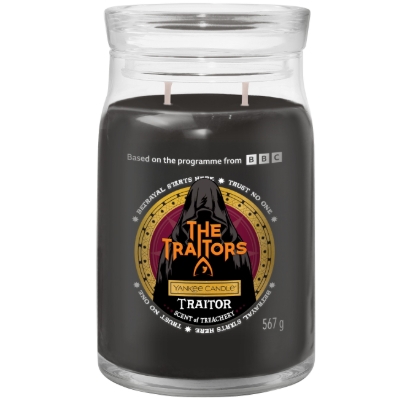
Yankee Candle® launches limited-edition The Traitors collection
Fans of the BBC's hit reality show The Traitors can bring a little intrigue into their homes this autumn with a limited-edition candle collection from Yankee Candle. Inspired by the BAFTA-winning series, the new collection features two Signature Large Jar Candles: Faithful and Traitor. Each fragrance represents a different side of the game, inviting fans to choose their allegiance while settling in for the latest round of suspicion, secrets and unexpected reveals. Faithful is designed to evoke comfort and calm, blending cashmere vanilla and rose with a warm amber base. Its soft, powdery fragrance is ideal for cosy evenings spent analysing clues and debating who can be trusted.
READ ARTICLE
Traitors, Bake Off and Strictly: the TV-inspired hen dos you can actually book
With The Traitors, Strictly Come Dancing and The Great British Bake Off all back on our screens, hen and stag parties can take inspiration from some of the nation's favourite TV shows. Chillisauce is offering groups the chance to recreate the drama, dancing and baking challenges for themselves, with experiences designed to bring a little competitive spirit to pre-wedding celebrations. Whether you fancy uncovering a secret traitor, putting your baking skills to the test or learning a new dance routine, there are options to suit a range of groups and locations across the UK. Discover three TV-inspired hen and stag party ideas, from murder mystery experiences in 26 locations to baking challenges and themed dance classes....