The sun is shining - and here's why it's making us all happier!

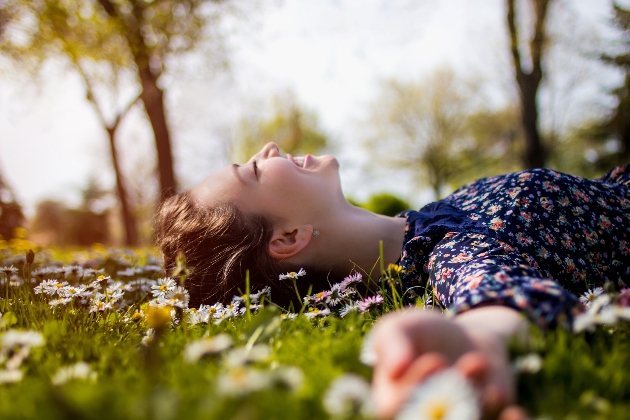
woman in sun smiling

It's almost a universal fact that many of us just feel better when the sun is shining. Whether it's because we can forgo our winter coats, or because we love sitting in a pub garden after work and can just relax, we all seem to feel calmer when the sun in shining.
Here, Health Practitioner and Skin Specialist, Tammy Richards at Pure Optical explains the science behind why the sun makes us feel happier and how it can even improve our physical health and wellbeing...

woman laying on ground in sunshine

So why does the sun make us feel happier?
The main reason why the sun makes us feel so much better than normal is down to the fact its light helps our body produce vitamin D. "Vitamin D is important for us, as it helps our bodies regulate its calcium and phosphate levels, which is crucial in keeping our bones and muscles healthy," Tammy explains. "During the late spring to early autumn, we can typically get our recommended daily dose of vitamin D entirely from just 10-130 minutes of natural sunlight. This explains why our moods tend to decline during the winter months."

During autumn and winter (October – March approximately), natural sunlight isn't strong enough to produce vitamin D, which can have a knock-on effect to our minds and bodies. "The winter months can be a real struggle, as the days get shorter and natural sunlight is scarce, meaning we get less vitamin D than we would in the summer."
This is why so many of us tend to struggle with Seasonal Affective Disorder (SAD), a seasonal depression which is thought to be caused by a lack of sunlight.

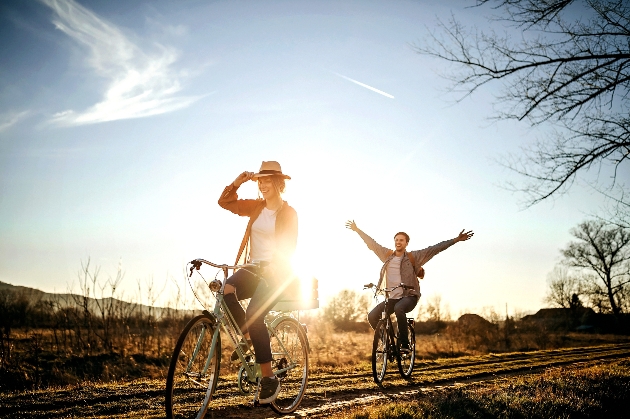
man and woman riding bikes in the sun

How can the sun improve our mood?
Exposure to sunlight is also significant in boosting our serotonin levels, which is how we can feel a positive change in our moods. "Serotonin, aka the 'happy hormone,' is crucial in regulating your mood and also can impact your entire body," Tammy explains. "It enables brain cells and other nervous system cells to effectively communicate with each other." The vitamin D which is emitted from natural sunlight can increase the levels of serotonin in your body, which results in a boost in your mood, but also can boost your body's general health too.

Not only can the sun increase your mood and make you feel happier during the day, but it can also have a positive impact on you during the night as it encourages melatonin production. "Melatonin is a hormone associated with sleeping, as it helps to maintain and regulate your sleep cycle. When it is produced, you tend to feel drowsier which helps you fall asleep faster." Tammy continues, "a good night's sleep is crucial in preparing you for the next day. We've all experienced restless nights, where we're unable to sleep soundly and have felt grumpy the next day as a result."

Can the sun improve our physical health?
“In a word: yes! The sun can also significantly improve our physical health and wellbeing,” Tammy answers. “Vitamin D is critical for maintaining of calcium which prevents brittle bones so can keep your bones healthy. In fact a lack of vitamin D has been associated with bone-related ailments and diseases, including rickets and rheumatoid arthritis.” In addition to healthier bones, vitamin D is also important in strengthening your immune system. “Consistent exposure to sunlight can help strengthen our immune system. A strong immune system reduces risk of illnesses and infections, and it can also help to fight off viruses too.”

You may also be interested in

New app launches to simplify one of marriage’s biggest admin headaches

New app launches to simplify one of marriage’s biggest admin headaches

Changing your name after marriage can mean updating details with countless organisations, from banks and subscriptions to official documents and employers. New app Name Change Navigator aims to make the process easier, guiding newlyweds through each step from one platform. Founded by Rebecca Dainton, Head of Product at Flutter UK & Ireland, the app was created to reduce the stress and mental load associated with name changes. It supports a range of naming journeys, including traditional surname changes, double-barrelling, blended surnames and other choices following marriage, civil partnership, divorce or personal identity changes. The launch comes as younger generations increasingly rethink traditional naming conventions, with technology offering a more streamlined approach to this often-overlooked part of newlywed life.

READ ARTICLE

From best mates to distant relatives: Brits reveal the wedding gift hierarchy

From best mates to distant relatives: Brits reveal the wedding gift hierarchy

How much should you spend on a wedding gift? It seems the answer depends on just how well you know the happy couple. New research from One4all Gift Cards has revealed that almost half of Brits (49%) would spend less on a wedding gift if they were not particularly close to the couple. The relationship came out ahead of travel and accommodation costs (38%) and paying for a hen or stag do (28%) when it comes to factors influencing how much guests are prepared to spend. For those closest to them, Brits consider an average of £77 per person to be an acceptable wedding gift. The most popular amount was between £50 and £100, selected by 43% of respondents, while 36% believe spending up to £50 is perfectly acceptable. Just 5% would spend more than £200.

READ ARTICLE

Revealed: England and Wales’ most common wedding anniversary date as August accounts for nearly one in six

Revealed: England and Wales’ most common wedding anniversary date as August accounts for nearly one in six

1 September is the most common wedding anniversary date, with an average of 1,557 marriages taking place on the date, new analysis has revealed. The research, from drinks and gifting retailer Bottled and Boxed, analysed 22 years of marriage registration data from the Office for National Statistics to identify the dates when couples across England and Wales are most likely to be celebrating their wedding anniversaries each year. Every date in the top 10 falls between late July and early September, showing how heavily the most common anniversaries are concentrated in late summer. August is the most common month for wedding anniversaries, accounting for 15.7% of all marriages analysed, with an average of 1,254 couples married per day.

READ ARTICLE

Marriage law reform: what the Government’s proposals could mean for couples

Marriage law reform: what the Government’s proposals could mean for couples

Planning a wedding is fun, stressful, time consuming. Couples want a ceremony that reflects their taste, is reflective of their love for each other and feels unique. The current restrictions in place can sometimes fetter that. Long-awaited plans to modernise weddings law in England and Wales could give couples far greater freedom over where and how they marry. It is hoped that they may be part of a much wider transformation of family law which is going through the biggest shakeup in decades.

READ ARTICLE

Follow Your Cheshire & Merseyside Wedding Magazine on YouTube

VISIT SITE

Follow Your Cheshire & Merseyside Wedding Magazine on Instagram

VISIT SITE

Follow Your Cheshire & Merseyside Wedding Magazine on Facebook

VISIT SITE

Subscribe to Your Cheshire & Merseyside Wedding Magazine for free

VISIT SITE