Expert advice on how to clean your engagement ring at home

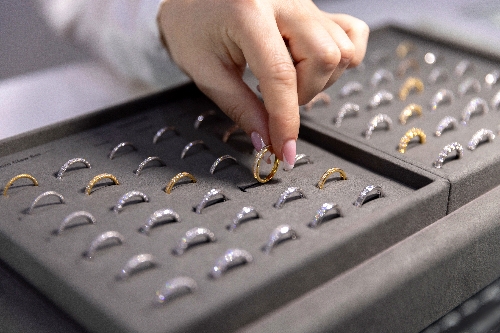
Wearing your ring every day will take its toll -  a build-up of things like oil, debris and cosmetic residue can create a thin layer on your ring making it look dull. The good news is that there is no reason you can’t keep your diamond as vibrant and twinkly as the day you received it- it just takes a little sprucing up every so often.

Jewellery experts at Queensmith have shared their straightforward step-by-step guide for when you need to clean your ring safely at home.

1.    Check the ring is still in good condition
You probably don’t take off your ring very often, if at all, which means you might not spot if the ring is damaged. Before you start cleaning, make sure you look closely and inspect the state of it. Make sure all the claws are still firm and the diamonds are not moving in their settings, as rubbing the ring when cleaning may damage it further. If you do spot any damage, take your ring to a jeweller immediately who will be capable of fixing any issues.

2.    Make sure you use the right tools
You won’t need a lot to clean your ring at home - in fact, you’ll probably have everything you need already. Fetch a bowl, add washing-up liquid and fill with very warm water. You’ll need a soft bristled toothbrush on hand - why not repurpose an old toothbrush you no longer use? Finally, set a clean cloth or tea towel on a secure surface where your ring will air dry after cleaning.

3.    Begin cleaning the ring using washing up liquid
Once you’ve filled a bowl with very warm water and washing-up liquid, you can place your ring straight into the bowl. Don’t be afraid to use really warm water (as long as it’s not too hot to touch), as diamonds can withstand extremely high temperatures. Leave your ring to soak for ten or twenty minutes. Whether platinum or gold, the washing-up liquid will break down oils and dirt on the diamond’s surface and on the metal work.

4.    Gently brush the ring using a soft toothbrush
After soaking, use the toothbrush to lightly brush any remaining dirt away. Be sure to brush behind the diamond and under the setting, if the ring design allows it. Whilst diamonds are nature’s most durable material, metals like platinum and gold can scratch - so make sure to use light brushes with a soft toothbrush.

5.    Rinse the ring off and dry
Once you think your ring is nice and clean, rinse it under warm running water. Make sure to put the plug in to avoid dropping your ring down the sink! When it comes to drying the ring, be sure not to use an abrasive towel, cloth or cleaner that could leave marks on the metal. Be wary that gold is slightly softer than platinum so is more prone to scratches and nicks. You can also leave your ring to air dry if you prefer.

6.    Repeat as often as needed
Ideally you should clean your engagement ring regularly, some people do this weekly, some monthly, others yearly - it's up to you how often, but the more often, the more consistently sparkly your ring will appear. As gross as it sounds, our hands shed skin, pick up dust and debris from the things we touch, and produce a lot of oil, only exacerbated by things like hand creams and moisturisers. In short, these small bits of dirt can get built up and stick to your ring - particularly the diamond and any crevices in the metalwork. Diamonds are oleophilic meaning they attract oils, which settle on the surface of the diamond and cause it to appear dull.

Your diamond ring, especially an engagement ring, holds a lot of sentimental value so it’s important to take good care of it. Nothing should get in the way of your diamond's sparkle - and all it will take is a quick clean to disintegrate the oil! Follow these steps and you will have a clean, sparkling diamond forever.

You may also be interested in

Why more couples are letting the coast shape their wedding day

Why more couples are letting the coast shape their wedding day

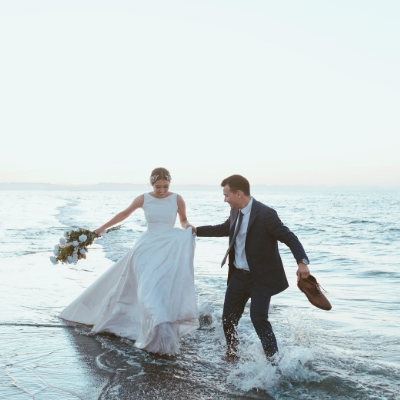
For couples planning a wedding, the setting is increasingly becoming more than a backdrop. Research from WeddingDates found that 78% of UK couples consider location an important factor when choosing a venue, with more than a third specifically influenced by the view. Rockwater, the UK coastal hospitality brand with beachfront venues in Hove and Branksome, says this is helping reshape how couples approach weddings by the water. Rather than simply choosing a coastal venue and then planning the celebration independently of it, couples are increasingly allowing the landscape, changing light and relationship between indoor and outdoor spaces to influence the day itself. Rockwater has identified four of the key considerations shaping modern coastal weddings.

READ ARTICLE

Something old, something gone: The British wedding traditions on borrowed time

Something old, something gone: The British wedding traditions on borrowed time

New Aspall research reveals the wedding traditions that are being dropped - from the bouquet toss and choreographed first dances, to the father-of-the-bride speech - and the modern alternatives taking their place. Speeches given only by men (36%), a choreographed first dance (34%) and the formal receiving line (30%) are among the wedding traditions that couples are keenest to ditch, a new study reveals. Wearing a veil, the 15-minute father-of-the-bride speech with no speech from the bride, and the traditional tiered fruit cake are also increasingly falling out of favour as Brits tie the knot, researchers found.

READ ARTICLE

New app launches to simplify one of marriage’s biggest admin headaches

New app launches to simplify one of marriage’s biggest admin headaches

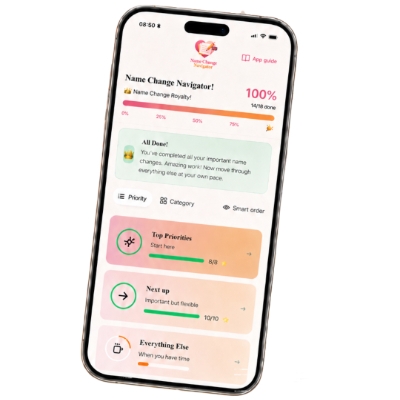
Changing your name after marriage can mean updating details with countless organisations, from banks and subscriptions to official documents and employers. New app Name Change Navigator aims to make the process easier, guiding newlyweds through each step from one platform. Founded by Rebecca Dainton, Head of Product at Flutter UK & Ireland, the app was created to reduce the stress and mental load associated with name changes. It supports a range of naming journeys, including traditional surname changes, double-barrelling, blended surnames and other choices following marriage, civil partnership, divorce or personal identity changes. The launch comes as younger generations increasingly rethink traditional naming conventions, with technology offering a more streamlined approach to this often-overlooked part of newlywed life.

READ ARTICLE

Flawsome! reveals 81% of Brits say weddings don't need to be perfect to be memorable 

Flawsome! reveals 81% of Brits say weddings don't need to be perfect to be memorable 

Growing frustration with wedding perfection culture is reshaping how couples plan their big day, with sustainability, guest experience and authenticity becoming increasingly important, according to new research from Flawsome!. A national study of 2,000 UK adults found that 81% believe a wedding does not need to be perfect to be memorable, while 71% say social media has increased pressure on couples to create a "perfect" day. Sustainability is also becoming a key consideration, with 52% saying it is important when planning a wedding. Yet wedding waste remains widespread, with 41% of respondents having seen food and drink thrown away at weddings, while 32% recalled single-use decorations being discarded and more than a quarter had seen flowers go to waste.

READ ARTICLE

Follow Your Cheshire & Merseyside Wedding Magazine on Instagram

VISIT SITE

Follow Your Cheshire & Merseyside Wedding Magazine on Facebook

VISIT SITE

Subscribe to Your Cheshire & Merseyside Wedding Magazine for free

VISIT SITE

Submit your wedding to be featured in Your Cheshire & Merseyside Wedding Magazine

VISIT SITE