



Looking to tie the knot outside? Make sure it's legal!

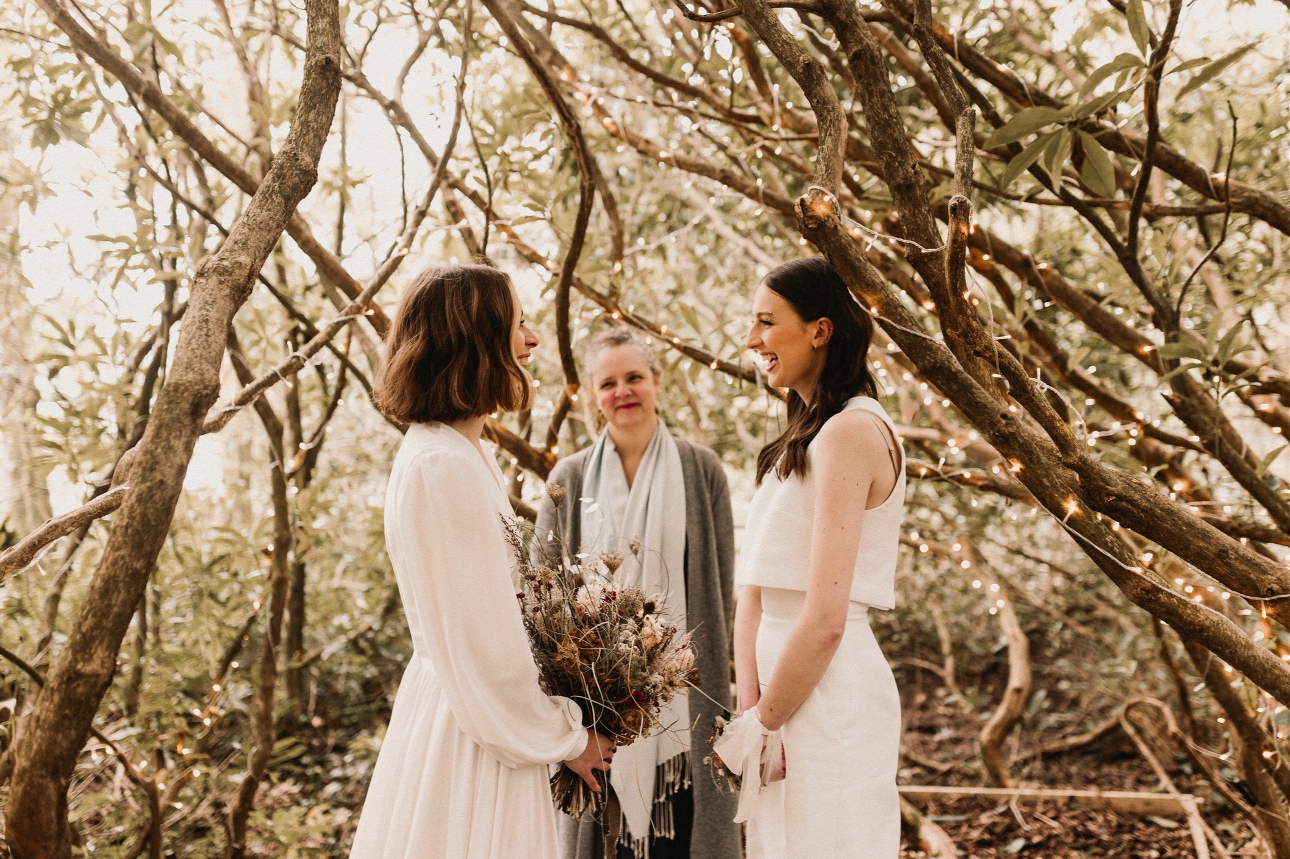
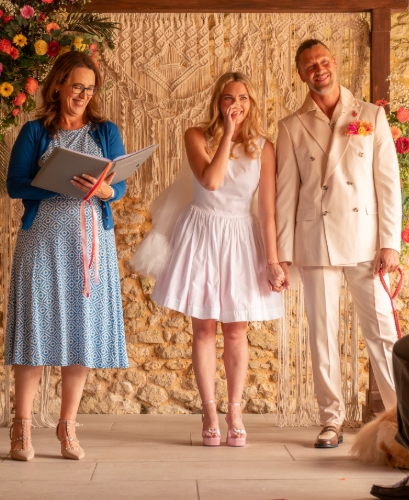
couple in wedding dresses tying the knot outside in the woods with a celebrant

Here at County Wedding Magazines HQ we welcome any changes in the law that allow people to marry more freely. Following the Government's recent announcement that they'll permanently be making outdoor marriages across the UK legal, following temporary legislation introduced during the pandemic, this is great news to the thousands of couples who have creative outdoor ideas for their weddings.

However, there is still a criteria which couples must meet in order for a wedding ceremony to be legally valid, and it's important that couples don't get caught out. Barrister Kate Van Rol at 4PB advises on how to navigate the legality of getting married in an outdoor setting.

head shot of barrister Kate

Couples across the UK will be overjoyed at recent announcements from the Government highlighting how measures to allow outdoor weddings introduced during the pandemic will now be made permanent. Soon-to-be-weds will surely be able to get their creative juices flowing even further when planning the ceremony of their dreams.

Couples have been held back for so long in holding an outdoor ceremony, with UK laws (dating back to 1836 I might add!) prohibiting couples from marrying in anything other than a permanent structure with a roof. With this in mind, it's no surprise that legal campaigners have long fought for reform, arguing that these laws were outdated and don't consider the growing ways how individuals might choose to marry, particularly in light of the growing costs of weddings in recent years. Some might want smaller and economical weddings, while others holding high-budget outdoor spectaculars under these new laws – giving people more choice is very welcome and certainly long-awaited.

Many couples may have previously felt 'priced out' of getting married, particularly younger couples who may not have extensive budgets but still feel it's important to be wed. This legal development is likely to make marriage for these couples more achievable if the wedding itself is in closer financial reach. On top of this, allowing outdoor weddings permanently will also provide more options for couples to hold their ceremonies in venues which allow for non-religious belief organisations, such as humanists or independent celebrants, to hold the ceremony.

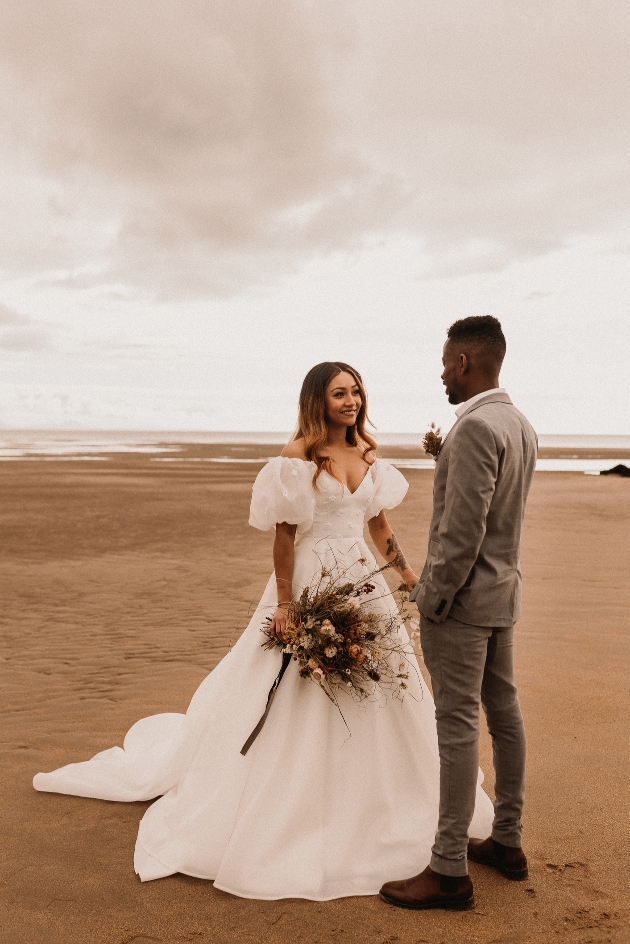
bride and groom standing on a beach

Despite the newfound freedoms which this legislation will bring, please be aware that there are still certain processes which marrying couples must follow in order for their ceremony to be legally valid. The new legal development means that couples can wed outside but only in the grounds of a legally permitted venue, which includes premises such as a Registry Office, registered religious buildings and licensed military chapels, as well as certain premises approved by the local authority.

Additionally, all marriages need to be entered in the marriage register, which must be signed by both parties, two witnesses and any individual conducting the ceremony. It's vital that the ceremony be conducted by an individual (or in the presence of an individual) who is authorised to register marriages in the district. It's important to note that if that person isn't authorised to register marriages, the person who is registering the marriage must sign instead.

For all couples considering marriage, more choice in how and where to hold their ceremony is certainly a big positive. While many may hurry into holding their wedding ceremonies (particularly after two years of weddings being postponed during the pandemic), it still important to consider that marriage comes with legally binding financial consequences and expectations. As a divorce barrister, I've unfortunately seen the unhappy side of marriage when it does not last and new issues then arise. Marriage should absolutely be a positive step in many couples' lives, but it's also a decision that should be taken seriously and not rushed into with haste.

This isn't the only legal development for marriages we're expecting to see this year, however - the Law Commission (who provide recommendations to the Government on when legislation needs updating) is due to publish a report into marriage laws this July which will look at expanding the list of locations where couples can legally be married, as well as whether more types of weddings should be legalised. While marrying couples are only given the new opportunity for outdoor wedding ceremonies at this stage, it's certainly very possible that we'll see a future of weddings held in parks, beaches and even private homes!

Kate Van Rol, Barrister at 4PB

You may also be interested in

Marriage law reform: what the Government’s proposals could mean for couples

Marriage law reform: what the Government’s proposals could mean for couples

Planning a wedding is fun, stressful, time consuming. Couples want a ceremony that reflects their taste, is reflective of their love for each other and feels unique. The current restrictions in place can sometimes fetter that. Long-awaited plans to modernise weddings law in England and Wales could give couples far greater freedom over where and how they marry. It is hoped that they may be part of a much wider transformation of family law which is going through the biggest shakeup in decades.

READ ARTICLE

Entering your marriage era? Forget wedding favours; McDonald’s launches Limited Edition ‘Wedding Flavours’

Entering your marriage era? Forget wedding favours; McDonald’s launches Limited Edition ‘Wedding Flavours’

The nation's brides and grooms can live happily ever after, as prayers are answered with personalised McDonald's sauces for their Big Day. With some of the biggest celebrities making their way down the aisle this summer, it's safe to say 2026 has been the year of saying "I do" – and now McDonald's is bringing the flavour to the wedding season. How many epic weddings end with guests making a grand finale pit stop at a Maccies en route home? Well now you won't have to detour, McDonald's is going to literally bring the ceremonial rite of passage to the actual wedding party.

READ ARTICLE

Bye Bye Sweet Caroline: The Classic Anthems BANNED From UK Weddings

Bye Bye Sweet Caroline: The Classic Anthems BANNED From UK Weddings

The era of the predictable wedding singalong is officially dead, according to new data from entertainment agency Jonny Ross Music. New figures have revealed that Britain's couples are ruthlessly blacklisting the nation's favourite party anthems from their big days. A shocking analysis of playlist requests shows that legendary floor-fillers are being banished to the 'Do Not Play' list. Modern couples are ordering DJs to completely snub overplayed staples like 'Uptown Funk' and 'Mr Brightside'. But Brits are not turning their backs on the dancefloor. Instead of relying on default reception cheese, millennial newlyweds are demanding authentic club vibes that replicate a proper night out.

READ ARTICLE

The British Wedding Tradition Most Guests Never Question

The British Wedding Tradition Most Guests Never Question

Most wedding guests have heard the phrase "wedding breakfast", but very few stop to question it. After all, the meal is rarely served in the morning. It usually comes after the ceremony, often in the afternoon, and can involve anything from a formal three-course dinner to sharing boards, canapes, grazing tables and dessert stations. So why do we still call it a breakfast? According to Nick from Country House Weddings, the answer goes back centuries and is tied to religion, fasting and the way weddings were once celebrated in Britain. Breaking A Very Specific Fast The word "breakfast" does not originally mean a morning meal. It simply means breaking a fast.

READ ARTICLE

Follow Your Cheshire & Merseyside Wedding Magazine on YouTube

VISIT SITE

Follow Your Cheshire & Merseyside Wedding Magazine on Instagram

VISIT SITE

Follow Your Cheshire & Merseyside Wedding Magazine on Facebook

VISIT SITE

Subscribe to Your Cheshire & Merseyside Wedding Magazine for free

VISIT SITE