For centuries, great occasions in life have been punctuated with Champagne. However, there are several myths surrounding the drinking, storing and essence of Champagne. As a result, the Champagne Bureau UK* wanted to bust those myths to separate fact from fiction and demonstrate how best to enjoy the pinnacle of sparkling wine, as well as ensure that you aren't fooled by some of the most common Champagne myths.
Myth: Pop the cork and spray Champagne in times of celebrations. The blunt pop of the cork and the fizz of the fine bubbles – instantly reminiscent of celebration – is a sparkling start to any special occasion. There are particular moments in which a pop is a symbol of the moment that you are toasting. However, the spraying of a Champagne bottle is never the correct protocol because you lose some of the wine and dissipate the bubbles. So, how do you open a bottle of Champagne correctly? After removing the wire cage – with six turns in total - and foil cap, keep a firm hold on the cork, hold the bottle and tilt it to a 30-45° angle, being careful to point it safely away from anyone. Gently rotate the bottle (not the cork) until the cork slowly pops out.
Myth: Flutes and coupes are the glass shape of choice. Flutes have commonly been thought of as the crème de la crème and the appeal of the coupe stems from 1960s Hollywood glamour. However, a flute causes the Champagne to lose its effervescence too quickly and a coupe's large surface area means that aromas are lost before they can be enjoyed. It is recommended to opt for a tall, rounded, tulip-shaped glass which allows the bubbles to develop and the aromas to be revealed.
Myth: A spoon keeps Champagne from losing its bubbles. Unable to finish your bottle of Champagne? This trick may help for a few hours but it is not going to keep your Champagne effervescent over time. We would suggest investing in a good quality Champagne stopper which will preserve your Champagne's bubbles until you are ready to enjoy it again.
Myth: Champagne is only for special occasions. Of course, Champagne's rich history and prestige make it the perfect drink of choice for all of your celebratory occasions. However, there is no reason why Champagne cannot be enjoyed for both big and small wins. Champagne also makes an excellent pairing companion – with fish, meat, vegetarian dishes and sweet treats. Whether you enjoy a Vintage or Non Vintage Champagne, the array of styles (including Blanc de Blancs, Blanc de Noirs, Rosé and Demi-sec) makes it infinitely pairable.
Myth: Champagne doesn't have to come from Champagne. No, Champagne only comes from Champagne and there is continual work being done to protect the appellation and Champagne name. In 1935, the concept of the AOC (Controlled Designation of Origin) was introduced, and in 2015 the Champagne Hillsides, Houses and Cellars were added to the UNESCO World Heritage list – contributing to the respect for Champagne as a distinct sparkling wine and designated region. Today, over 121 countries recognise the Champagne appellation, including the UK.
Myth: You can put Champagne in the freezer to cool it down more quickly. Whilst chilling Champagne is essential to enjoy the full extent of its finesse, putting a bottle in the freezer is not ideal as freezing temperatures limit the aromas and bubbles. The most effective and quickest way to chill a bottle of Champagne is to plunge it into an ice bucket half filled with water and ice, until it reaches a temperature of 8 to 10 degrees Celsius. If you are running ever shorter on time, add two tablespoons of salt to the cold water. This will bring your bottle to the right temperature within 30 minutes.
*Champagne Bureau UK is the trade association in the UK, representing houses and growers in Champagne
RSVPing 'YES' to multiple weddings? Here's how to budget!
Attending weddings can be a joyous occasion, but it can also be expensive, particularly if you're invited to more than one over the course of the year. Costs such as new outfits, travel and accommodation, and gifts mean the overall expense of attending can quickly add up. Duncan Fortune, Head of Commercial at Tesco Bank, says: "Wedding season can be a significant expense for households. Planning ahead and setting a dedicated budget for celebrations can help spread the cost over several months, allowing people to make the most of the celebrations while keeping their finances on track."
READ ARTICLE
How to treat the father-of-the-bride this Father's Day
Father's Day is the perfect excuse to celebrate the father of the bride. After all, he's been there through the wedding planning, the emotional speeches, the last-minute panics and probably more than a few budget discussions too. Whether the wedding has already happened or it's still to come, Father's Day is a brilliant opportunity to show him just how much he's appreciated. If you're looking to do something a little more exciting than buying another novelty mug or pair of socks, wedding experts The Stag Company share their favourite experiences that can make the day feel extra special.
READ ARTICLE
Say it with chocolate: Tony’s Chocolonely’s personalised wedding bars
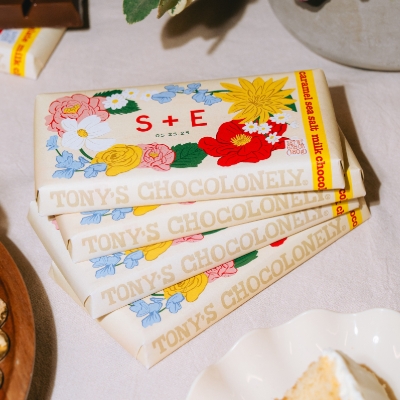
Ethical chocolate brand Tony's Chocolonely is helping couples add a personalised touch to their wedding celebrations with its customisable chocolate bars, offering a sustainable alternative to traditional wedding favours. From engagement announcements and bridesmaid proposals to place settings and guest gifts, the brand's personalised bars can be tailored with names, photographs, table plans or bespoke messages, creating a keepsake that guests can enjoy long after the celebrations have ended.
READ ARTICLE
Everything you need to know about faith marriages this wedding season
Thousands of couples will say their vows this wedding season believing they're legally married, only to discover, when it matters most, that they might not be. Faith marriages are an increasingly complex issue for UK couples, with leading law firm Mills & Reeve seeing a steady rise in clients who discover – often much later – that their wedding does not carry the legal status they assumed. Jane Ingleby, partner at Mills & Reeve, explains why so many marriages fall into a legal grey area, and what couples should check before they walk down the aisle...