A wedding is a special day for a couple, but it can also be an expensive one. Between venues, caterers, photographers, dresses, and entertainment, the costs can add up.
For those planning a wedding, it's important you insure yourself against anything that could go awry just before, or on the big day. For those aiming to tie the knot this year, Alex Cross, Insurance Director at Tesco Bank shares his top tips on things to consider for your wedding day to make sure you're covered so things can run as smoothly as possible.
1. Know your wedding costs Weddings can be a pricey affair, with the average cost of a UK wedding in 2022 totalling £18,400*. Before choosing your insurance policy, it's important to know what your total wedding costs are and how much you're spending on each element of your big day. Identify any big-ticket expenses that you'll want covered should anything go wrong, such as venues, caterers, photographers, or dresses. This can also help you decide if standard insurance policies will be enough or if you'll need to customise your policy.
2. Do your research If you're splashing out for your big day, wedding insurance can give you peace of mind that you're financially protected in case anything unexpected happens, such as an issue with the venue, a supplier, or a wedding party member falling ill. Every insurance policy is different when it comes to cancellations, lost or damaged items, and even disruption due to extreme weather conditions. It's therefore important to read the fine print and make sure you're well informed on what you are and aren't covered for.
3. Check your home contents policy Before you rush off to buy specialist wedding insurance, check what is covered under your existing home and contents policy. It could save you some valuable pounds. Most insurers will automatically uplift your contents insurance for a set time before and after the big day so things like dresses, suits, gifts, and decorations are covered. And in some cases, it doesn't just cover these items while they are in your home, but also covers the venue and while the items are being taken to and from the reception.
4. Think about your extras There may be some additional extras that need their own insurance policies, such as jewellery. Engagement and wedding rings can be expensive, so it's important to make sure these are protected should they get lost, stolen, or damaged. Analysis of internal claims data from Tesco Bank found that there were 523 ring related claims in 2023, an increase of 20% year-on-year, which equated to an average claims value of £2,326. If jewellery contains precious stones or it's a family heirloom, it's worth speaking to a specialist jeweller who can give you an up-to-date valuation on how much your ring is worth and how much cover you need. And don't forget the honeymoon! You'll need to organise separate travel insurance for this too so you're protected on your trip.
5. Be mindful of debt Weddings can easily become quite expensive, so it's important that if you have a budget to try and stick to it, but also be aware of how you'll fund it. Whether you find you need to borrow some money to cover wedding costs or use extra cash to ensure you don't fall behind on regular outgoings it's important to keep an eye on debt levels so they don't catch you out.
New UK map reveals Brits’ favourite proposal spots according to social media
National family-owned jeweller, Beaverbrooks, has unveiled a new map revealing the 15 best places in the UK to pop the question, based on Instagram hashtag data. Whether it's against a backdrop of dramatic coastlines, rolling countryside or iconic city skylines, choosing the perfect place to propose is almost as overwhelming as choosing the ring. To help partners looking to ask the all-important question to their other halves, Beaverbrooks has created a new 'Proposal Map of the UK', making it easier than ever to find an idyllic location.
READ ARTICLE
Why more couples are letting the coast shape their wedding day
For couples planning a wedding, the setting is increasingly becoming more than a backdrop. Research from WeddingDates found that 78% of UK couples consider location an important factor when choosing a venue, with more than a third specifically influenced by the view. Rockwater, the UK coastal hospitality brand with beachfront venues in Hove and Branksome, says this is helping reshape how couples approach weddings by the water. Rather than simply choosing a coastal venue and then planning the celebration independently of it, couples are increasingly allowing the landscape, changing light and relationship between indoor and outdoor spaces to influence the day itself. Rockwater has identified four of the key considerations shaping modern coastal weddings.
READ ARTICLE
Something old, something gone: The British wedding traditions on borrowed time
New Aspall research reveals the wedding traditions that are being dropped - from the bouquet toss and choreographed first dances, to the father-of-the-bride speech - and the modern alternatives taking their place. Speeches given only by men (36%), a choreographed first dance (34%) and the formal receiving line (30%) are among the wedding traditions that couples are keenest to ditch, a new study reveals. Wearing a veil, the 15-minute father-of-the-bride speech with no speech from the bride, and the traditional tiered fruit cake are also increasingly falling out of favour as Brits tie the knot, researchers found.
READ ARTICLE
New app launches to simplify one of marriage’s biggest admin headaches
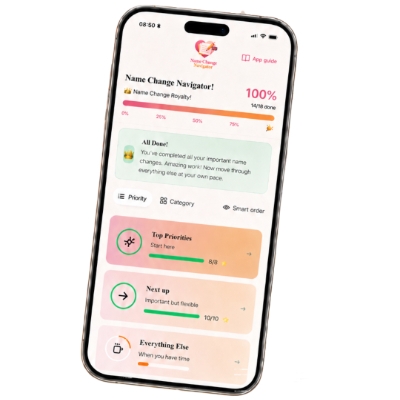
Changing your name after marriage can mean updating details with countless organisations, from banks and subscriptions to official documents and employers. New app Name Change Navigator aims to make the process easier, guiding newlyweds through each step from one platform. Founded by Rebecca Dainton, Head of Product at Flutter UK & Ireland, the app was created to reduce the stress and mental load associated with name changes. It supports a range of naming journeys, including traditional surname changes, double-barrelling, blended surnames and other choices following marriage, civil partnership, divorce or personal identity changes. The launch comes as younger generations increasingly rethink traditional naming conventions, with technology offering a more streamlined approach to this often-overlooked part of newlywed life.